
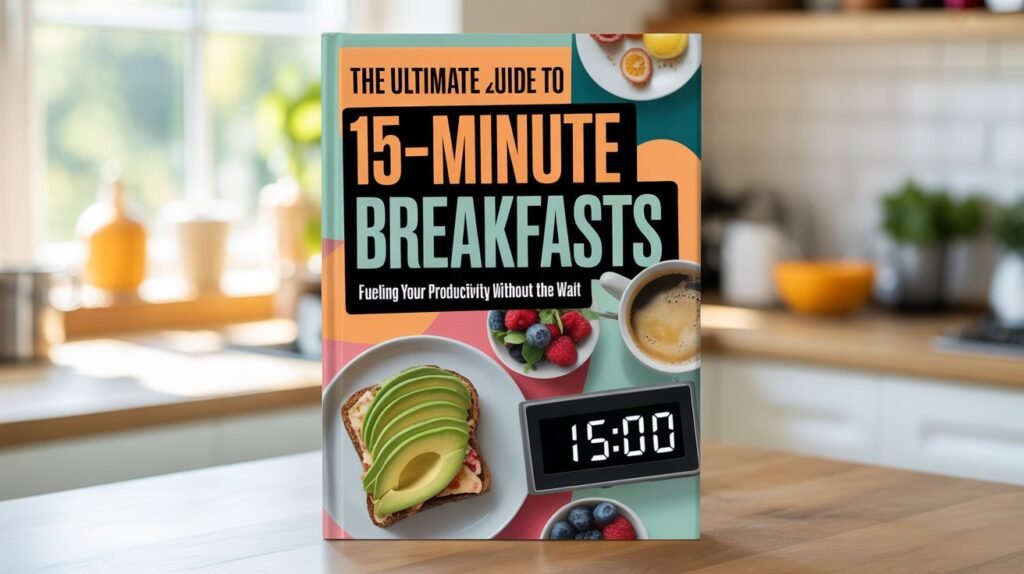

Summary :In the fast-paced digital era of 2026, time is the most valuable currency. However, sacrificing nutrition for speed often leads to mid-day fatigue and decreased mental clarity. This 2000-word deep dive explores the science of quick morning meals, providing chef-approved recipes that take under 15 minutes. By mastering these high-protein, fiber-forward strategies, you can optimize your morning routine for peak performance and long-term health.
The year 2026 has brought with it an era of hyper-efficiency, where every second of our morning is accounted for—from syncing our smart devices to checking global market updates before the first cup of coffee. Yet, in this race against the clock, the most fundamental pillar of human productivity is often the first to be sacrificed: a nutritious, balanced breakfast. We have been conditioned to believe that we must choose between a healthy meal and a punctual start to our day. For years, the “quick fix” was either a sugary granola bar or, more commonly, skipping the meal entirely in favor of caffeine-induced alertness.
The Morning Dilemma: Speed vs. Nutrition
The struggle to balance a healthy diet with a demanding 9-to-5 (or 24/7 digital career) is real. For decades, we were told that a “good” breakfast requires time—flipping pancakes, slow-cooking oats, or preparing elaborate spreads. But in 2026, the philosophy has shifted. We now focus on “Nutrient Density per Minute.” Research shows that the first 30 minutes of your day dictate your metabolic rate and cognitive function for the next 12 hours. If you start with sugar-laden cereals or nothing at all, you are setting yourself up for a blood-sugar rollercoaster. This guide is designed to break that cycle.
Section 1: The Science of the “Power Breakfast”
Before we get into the recipes, it is essential to understand why these specific ingredients work. In 2026, nutritional science focuses on three main pillars:
- Protein Satiety: Protein triggers the release of hormones that tell your brain you are full. Starting with 20g–30g of protein prevents overeating later in the day.
- Fiber-Forward Digestion: Fiber isn’t just for digestion; it slows down the absorption of carbohydrates, providing a steady stream of energy instead of a spike and crash.
- Healthy Fats for Brain Health: Your brain is roughly 60% fat. Omega-3s and monounsaturated fats (like those in avocados and nuts) are essential for morning “brain fog” elimination.
Section 2: The Recipes (Deep Dives)
1. The Advanced Avocado & Poached Egg Toast
This isn’t your basic 2015 avocado toast. In 2026, we enhance it for maximum micronutrient intake.
- Ingredients: Sourdough bread (fermented for gut health), half an organic avocado, 2 pasture-raised eggs, hemp seeds, and microgreens.
- The 15-Minute Method: 1. Start your water for poaching or use a 2026-model rapid egg cooker.2. Toast the sourdough.3. While toast is browning, mash the avocado with a squeeze of lemon (to prevent oxidation).4. Assemble and top with microgreens for a concentrated dose of vitamins A and C.
- Why it works: The fermentation in sourdough is easier on the gut, while the eggs provide choline—a vital nutrient for memory and mood.
2. The 2026 “Bio-Hacked” Greek Yogurt Bowl
Yogurt bowls have evolved into a functional medicine tool.
- Ingredients: Full-fat Greek yogurt (or fermented coconut yogurt), chia seeds, walnuts, wild blueberries, and a dash of Ceylon cinnamon.
- The 15-Minute Method:
- Scoop the yogurt into a bowl.
- Add a tablespoon of chia seeds (let them sit for 2 minutes to hydrate).
- Top with walnuts (rich in DHA) and blueberries (high in antioxidants).
- Why it works: Ceylon cinnamon helps with insulin sensitivity, making this the perfect meal for those who spend their mornings behind a computer screen.
3. The “Smart” Mediterranean Omelet
Efficiency meets flavor in this savory powerhouse.
- Ingredients: 3 eggs, frozen spinach (retains more nutrients than “old” fresh spinach), sun-dried tomatoes, and goat cheese.
- The 15-Minute Method:
- Whisk eggs with a splash of water for steam-induced fluffiness.
- Throw the frozen spinach into a hot pan for 60 seconds until thawed.
- Pour the eggs over, add tomatoes and cheese, and fold.
- Why it works: Sun-dried tomatoes provide lycopene, and spinach is a magnesium goldmine, helping to keep morning stress levels low.
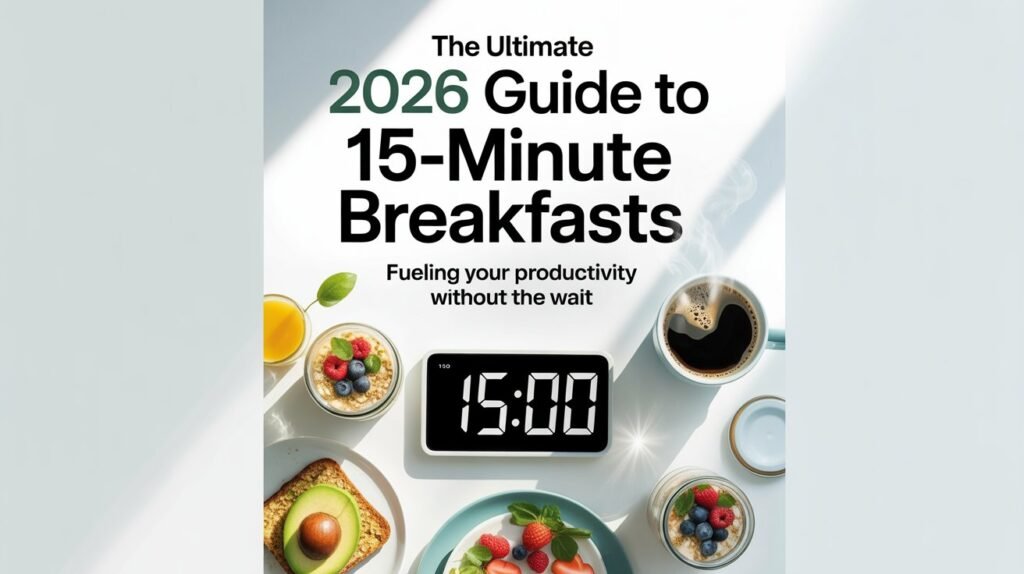
Section 3: Optimizing Your Kitchen for Speed
To make a 15-minute breakfast a reality, your kitchen environment must be optimized. In 2026, “Mise en place” (everything in its place) is the secret to morning success.
- Pre-Chop Your Veggies: Spend 10 minutes on Sunday dicing onions, peppers, and greens. Store them in airtight glass containers.
- Invest in Multi-Tools: Air fryers, high-speed blenders, and rapid kettles aren’t just gadgets; they are time-saving assets that cut preparation time by 40%.
- The Pantry Pivot: Keep “high-value” dry goods within arm’s reach—hemp seeds, chia seeds, oats, and quality nut butters.
Section 4: Overcoming Common Breakfast Barriers
“I’m not hungry in the morning.”
If you aren’t hungry, your cortisol levels might be high. Start with something light like a 5-minute protein smoothie (Spinach, protein powder, water, and half an apple).
“I don’t have time to clean up.”
The recipes above are mostly “one-pan” or “one-bowl” meals. Cleaning as you go—washing the whisk while the omelet cooks—is a habit that saves an extra 10 minutes.
Conclusion: Making the Commitment
The shift to a 15-minute breakfast routine isn’t just about food; it’s about respecting your time and your health. As we move through 2026, the tools and information available to us make it easier than ever to live a balanced life. Start with one recipe this week, master it, and watch how your morning energy transforms.
Frequently Asked Questions (FAQs)
Can I replace eggs with a plant-based alternative?
Yes, tofu scrambles or chickpea flour “omelets” are excellent protein-rich alternatives that still fit within the 15-minute window.
Are instant oats as healthy as rolled oats?
In 2026, many instant oat brands have removed added sugars. Check the label; if it’s just 100% oats, the nutritional difference is minimal, but the time saved is massive.
How much water should I drink with breakfast?
Aim for at least 500ml of water before or during breakfast. Hydration is the “secret ingredient” to making your metabolism work efficiently.
Is coffee a replacement for breakfast?
No. Coffee on an empty stomach can spike cortisol. It’s better to have your coffee with or after a protein-rich meal.
Can these recipes help with weight loss?
By focusing on protein and fiber, these recipes keep you full longer, naturally reducing the total number of calories you consume throughout the day.


